Author
support@jpgdesigns.com
Share
When it comes to searching for a doctor for eyelid plastic surgery, there are certainly lots of options. When searching for an eyelid plastic surgeon in Boston, you should look for:
- Extensive, specialized training in eyelid plastic surgery – preferably an ASOPRS-certified oculoplastic surgeon, see discussion below
- Experience and expertise in cosmetic eyelid surgery – a surgeon who performs hundreds of cosmetic eyelid surgeries annually and has done thousands in their career. Most plastic surgeons focus on reconstructive surgery – its not the same thing. There are only a small subset of surgeons who devote their careers to cosmetic procedures.
- Referrals. If a friend or family member had a good experience with a particular doctor, that’s obviously a great sign. If you don’t know anyone who has had eyelid surgery, your primary care doctor, hairdresser or aesthetician are also great resources for recommendations.
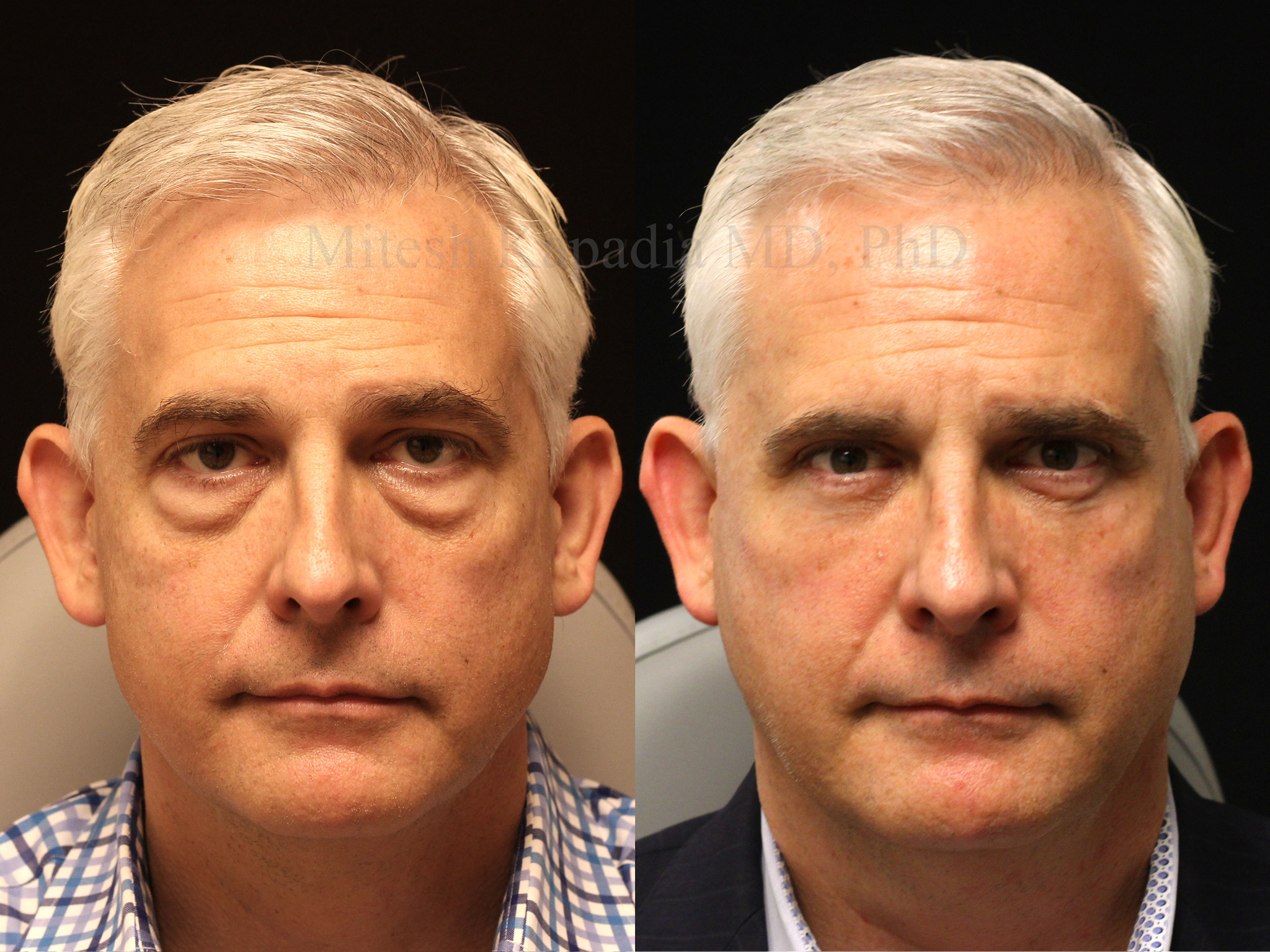
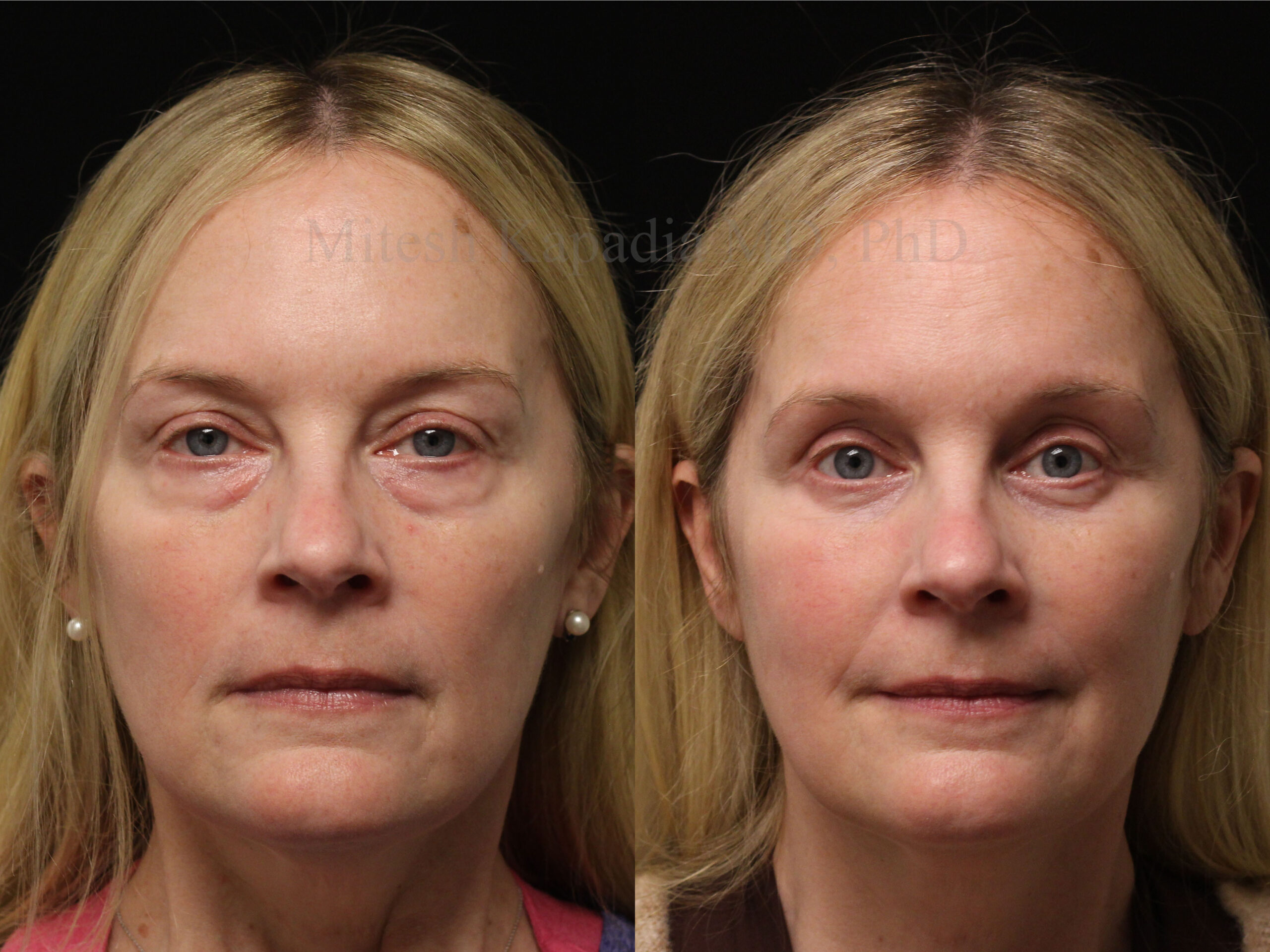
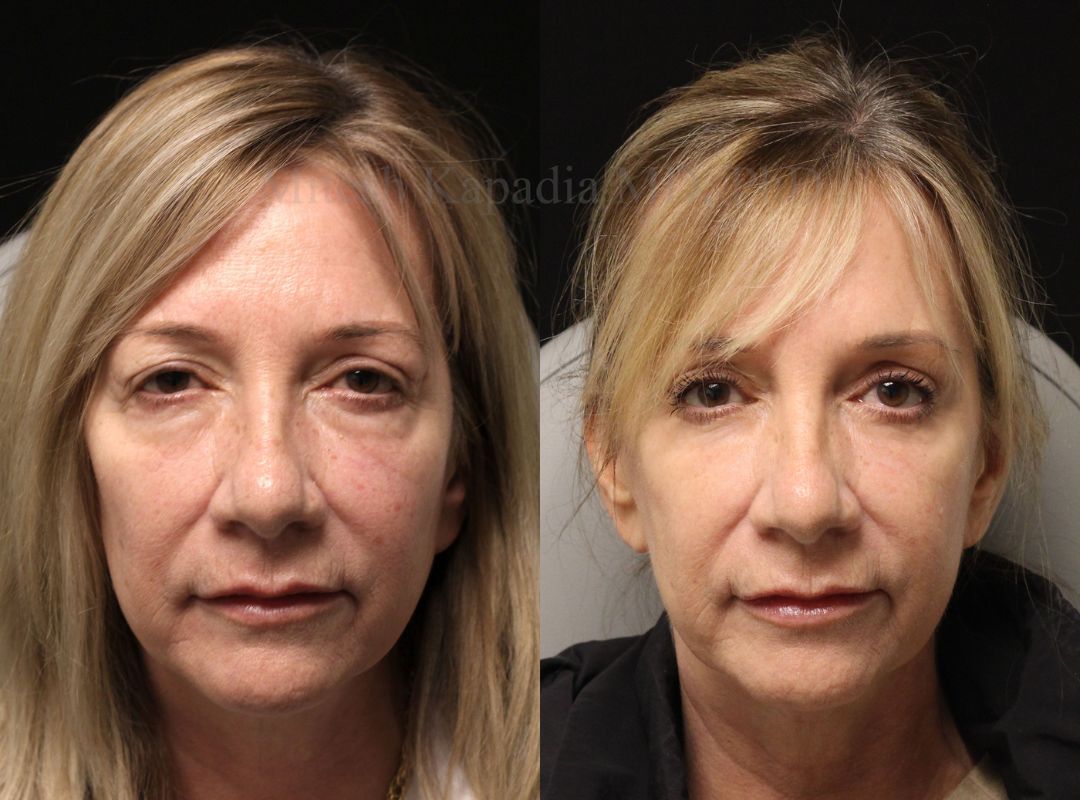
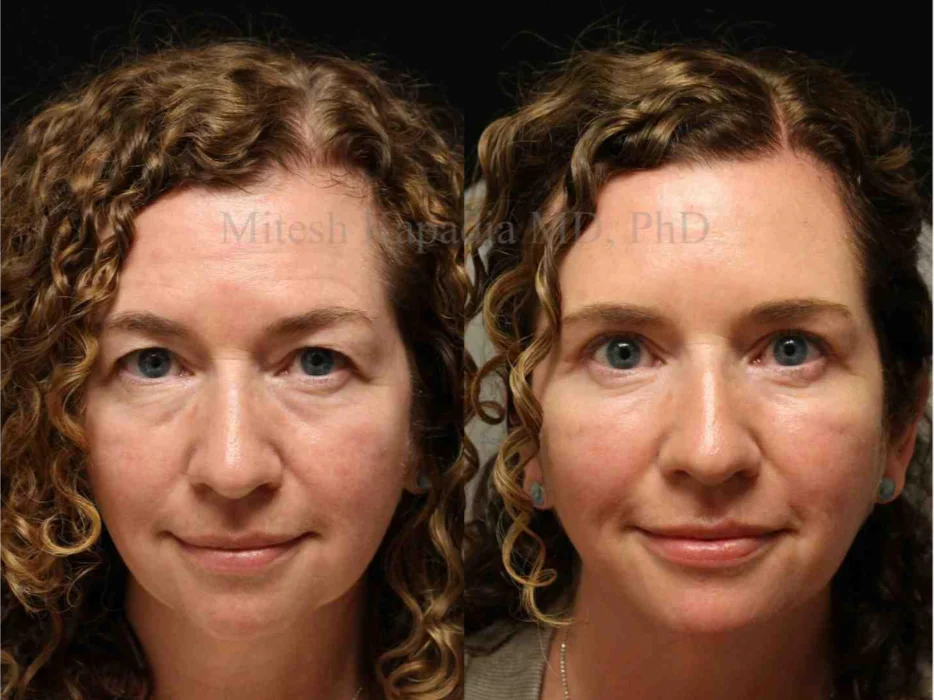
- Before and after photos of the surgeon’s own patients. You want to make sure your aesthetic goals and what the surgeon can do are aligned. If you don’t like the before and after photos you are probably not a good match with that surgeon’s sense of aesthetics and should keep looking. We have such an extensive collection of photos in our office that most local patients in the Boston area can find someone they know in our photo library!
- Online reviews. While all surgeons have occasional unhappy patients, it’s worth taking the time to look through online reviews to see if there are common themes. What is the ratio of good reviews to bad reviews? Were there a lot of people unhappy with surgery, or were most of the bad reviews from patients the doctor turned away?
After making contact with the surgeon’s office and scheduling a consultation, there are a number of additional factors to consider.
-
- Surgeon personality. Were you and the surgeon on the same page during the consultation? Does the surgeon feel like someone you can trust? Does the surgeon seem as experienced as your online research suggests? Even if a surgeon has a great reputation, they may not be a good fit for you from a personality perspective. This is the start of a relationship that continues after surgery – you need to trust the surgeon and feel comfortable approaching them if you have concerns about the healing process.
- Office staff. What was your experience like when you called to make an appointment or when you went to the office? Does the office staff know how to answer your basic questions? Are they friendly and patient or in a rush to get to the next person. Remember, the same people will be answering the phones when you have a question or concern after surgery.
- Trust your instincts. If your gut is telling you to run away you probably should.
Why choose an oculoplastic surgeon to perform your eyelid surgery?
Your eyes are irreplaceable. The skin around them is delicate, and the muscles that control eyelid movement are intricate. One wrong move during surgery can affect your vision, your ability to close your eyes comfortably, or leave you with an unnatural “surprised” look that screams “I had work done.”
This is why choosing the right surgeon isn’t just important, it’s everything.
Oculoplastic surgeons (aka oculofacial plastic surgeons) are fully trained board-certified eye surgeons who have completed 4-5 years of training focusing on surgery of the eyes and eyelids.
The difference matters. When you’re looking for subtle improvements—a refreshed look that makes you appear more rested, not radically different—you need someone who understands that less is often more. You need a surgeon who won’t remove too much skin and won’t change the shape of your eyes. The goal is to help you look younger and more refreshed without looking overdone.
This guide will help you understand what sets top eyelid specialists apart, what questions to ask during consultations, and how to find a surgeon whose philosophy aligns with your goals for natural, lasting results.
The Oculoplastic Surgeon: An Expert in Eyes and Eyelids
What truly sets a specialized oculoplastic surgeon apart and makes them ideally suited to perform eyelid plastic surgery? It’s their profound, almost obsessive, understanding of eye anatomy and function.
- Specialized training in both eye anatomy and plastic surgery techniques: This dual expertise is critical. Oculoplastic surgeons spend three years learning about the intricate structures of the eye itself before dedicating additional years of training to plastic surgery techniques of the eyelids and face. This means they understand how surgical changes will impact not just aesthetics, but also vision, tear production, and eye health.
- Deep understanding of delicate eye anatomy: The eyelids are incredibly thin and complex, containing numerous muscles, nerves, and glands crucial for eye protection and function. A specialist knows precisely where to make incisions, how much tissue to remove, and how to preserve these vital structures.
- Focus on preserving eye function and health: For an oculoplastic surgeon, aesthetics are never prioritized over the health and function of your eyes. They aim to maximize aesthetic results while ensuring the health and safety of your eyes. This is a crucial distinction.
- Expertise in micro-surgery for natural results: The precision required for eyelid surgery is immense. Oculoplastic surgeons are trained in micro-surgical techniques, allowing them to make minute, precise adjustments that yield natural-looking results without an “operated” look. Their goal is to restore and refresh, allowing you to retain the unique character of your face.
Training and Certification for Oculoplastic Surgeons
In cosmetic surgery, board certification is your gold standard for quality and safety. But know what kind of board certification truly matters, and there are different types of board certifications and training. The training to become an oculoplastic surgeon is quite extensive. The path to become an oculoplastic surgeon is outlined below.
- College and Medical School: Oculoplastic surgeons, like all physicians typically complete four years of college after high school and then go through another four years of medical school. Medical school involves training in general topics such as anatomy and pharmacology as well as an introduction to different specialties. Medical school culminates with earning an “M.D.” degree.
- Internship. The next step after medical school is to do an internship year in medicine, surgery or a combination of the two. This involves general training on how to be a practicing doctor and allows licensure to most state medical boards.
- Residency. After internship, oculoplastic surgeons complete a three year residency in ophthalmology where they study all aspects of eye health and disease. Surgery on and inside the eye is an important part of this training. Doctors can become board-certified in ophthalmology after completing this training and passing both written and oral exams.
- Fellowship. After training in ophthalmology and eye surgery, oculoplastic surgeons then go through another 1-2 years of subspecialty training in oculoplastic surgery. This involves extensive training in all things around the eyes including eyelid plastic surgery, orbital tumors, fractures and tear duct surgery. This training involves performing hundreds of surgeries under supervision.
- After fellowship. After fellowship training, ASOPRS candidates must pass a rigorous written and oral exam. In addition, a scientific thesis advancing the field must be reviewed and approved by peers before becoming ASOPRS certified.
- Certifications: Look for board certification by the American Board of Ophthalmology (ABO) followed by fellowship training and certification by the American Society of Ophthalmic Plastic and Reconstructive Surgery (ASOPRS).
In the entire United States, only about 30 surgeons complete this type of specialized certification each year!
Do other types of doctors perform eyelid surgery?
- Many other types of doctors perform eyelid plastic surgery. Not all of them are even surgeons!
- There are three main types of plastic surgeons: general plastic surgeons, facial plastic surgeons and oculoplastic surgeons.
- General plastic surgeons have the most training in body surgery and typically specialize in tummy tucks and breast surgery.
- Facial plastic surgeons are initially trained in Ear, Nose, and Throat surgery. These surgeons usually specialize in rhinoplasty (nose surgery) and facelifts.
- Oculoplastic surgeons are initially trained as eye surgeons and have the most specialized training in eyelid plastic surgery.
- Remember – Most plastic surgeons perform eyelid surgery but only a small subset have the specialization to be an ASOPRS-certified oculoplastic surgeon.
- “Cosmetic surgeon” is not a specialty recognized by the American Board of Medical Specialties (ABMS). Be wary of this specialty as there is much less quality control and the standards of training can vary considerably.
Remember – many surgeons perform eyelid surgery, but only a small subset are ASOPRS-certified oculoplastic surgeons.
Questions to Ask Your Potential Eyelid Plastic Surgeon
Your initial consultation is your opportunity to interview your potential surgeon and ensure they are the right fit for you. We encourage you to be thorough and ask probing questions.
- What is your specific training in eyelid surgery? Ask about their fellowship training, particularly if they are an oculoplastic surgeon. This demonstrates their specialized focus.
- Are you board-certified in ophthalmology? This confirms their foundational medical training and ensures they can deal with most eye specific issues after surgery.
- How many cosmetic eyelid surgeries do you perform each year? Experience is paramount. A surgeon who performs hundreds of eyelid procedures annually will have a deeper understanding of nuances and potential complications than one who does only a few.
- Can I see before-and-after photos of patients similar to me? This is crucial. Look for natural results, not just dramatic changes. Pay attention to eye shape, symmetry, and scar visibility. There should be patients your age.
- What is your philosophy on achieving a natural look? A top eyelid plastic surgeon should prioritize results that make you look like a refreshed version of yourself, not someone entirely different. Our philosophy at Boston Eyelids, for example, centers on natural results and avoiding “over-doing” surgery.
- Where will the surgery be performed? Ensure the facility is accredited and meets safety standards.
- What type of anesthesia do you typically use for eyelid surgery? If a surgeon performs all their surgeries with patients awake, this may not be the best option for you.
- What are the common potential risks and complications after surgery, and how do you treat them? The surgeon should have tools such as lasers to treat common post surgery problems such as prolonged redness, thick scars, etc.
- How often do you need to refer patients to another surgeon for issues that arise after eyelid surgery. A surgeon should be able to handle most issues that can arise after surgery.
- Does the surgeon perform revision eyelid surgery. This shows particular expertise in eyelid surgery. You want to go where other doctors send their complicated patients, even if you are not a complicated case.
- How do I communicate with the office? Is there always a doctor available if there are issues after surgery? How do I get in touch?
Conclusion
Choosing an ASOPRS certified eyelid plastic surgeon is a decision that profoundly impacts both your appearance and your well-being. By prioritizing a board-certified specialist, you are investing in safety, expertise, and the highest likelihood of achieving a beautiful, natural outcome that doesn’t look “overdone.” A surgeon with a philosophy of personalized care will work with you to improve your unique features, leaving you looking like the best version of yourself.
At Boston Eyelids, we are dedicated to our philosophy of natural results and personalized patient care. We believe in enhancing your inherent beauty, ensuring you look like yourself, only more rested and refreshed. We understand the delicate balance between aesthetic improvement and functional preservation, especially in the sensitive eye area.
Ready to explore how we can help you achieve a refreshed, natural look? Schedule your consultation to discuss your goals.