Author
Boston Eyelid Surgery
Share
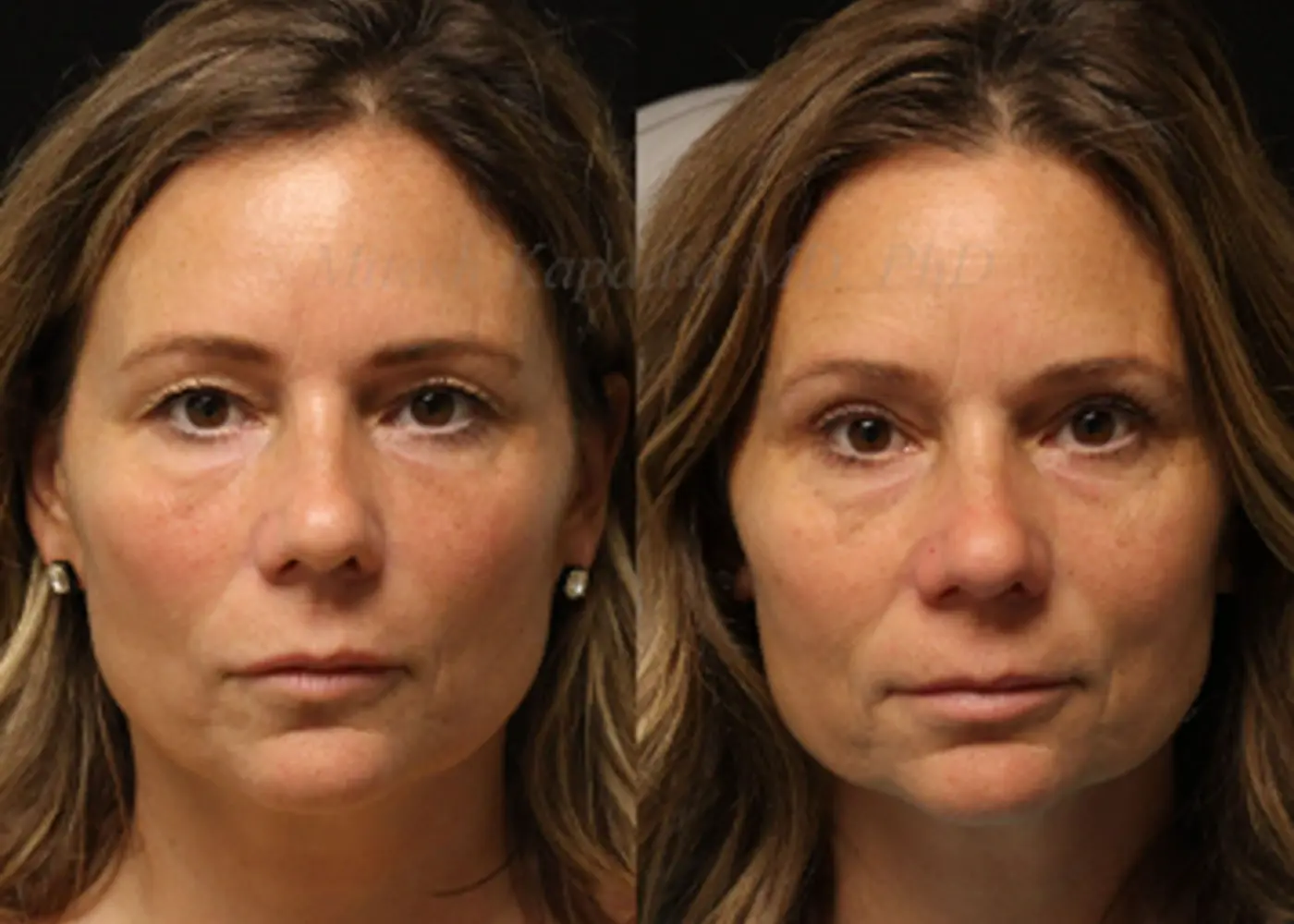
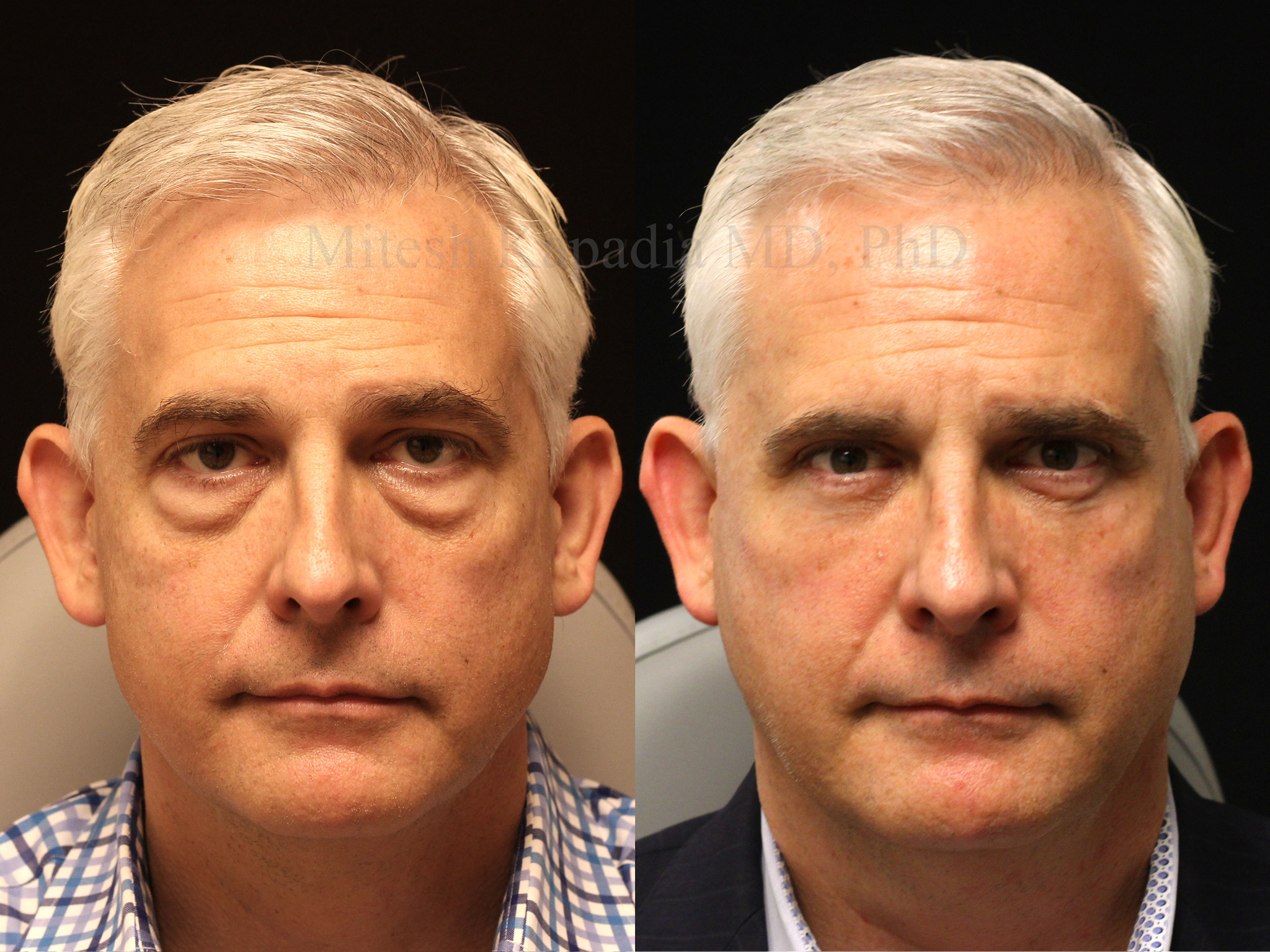
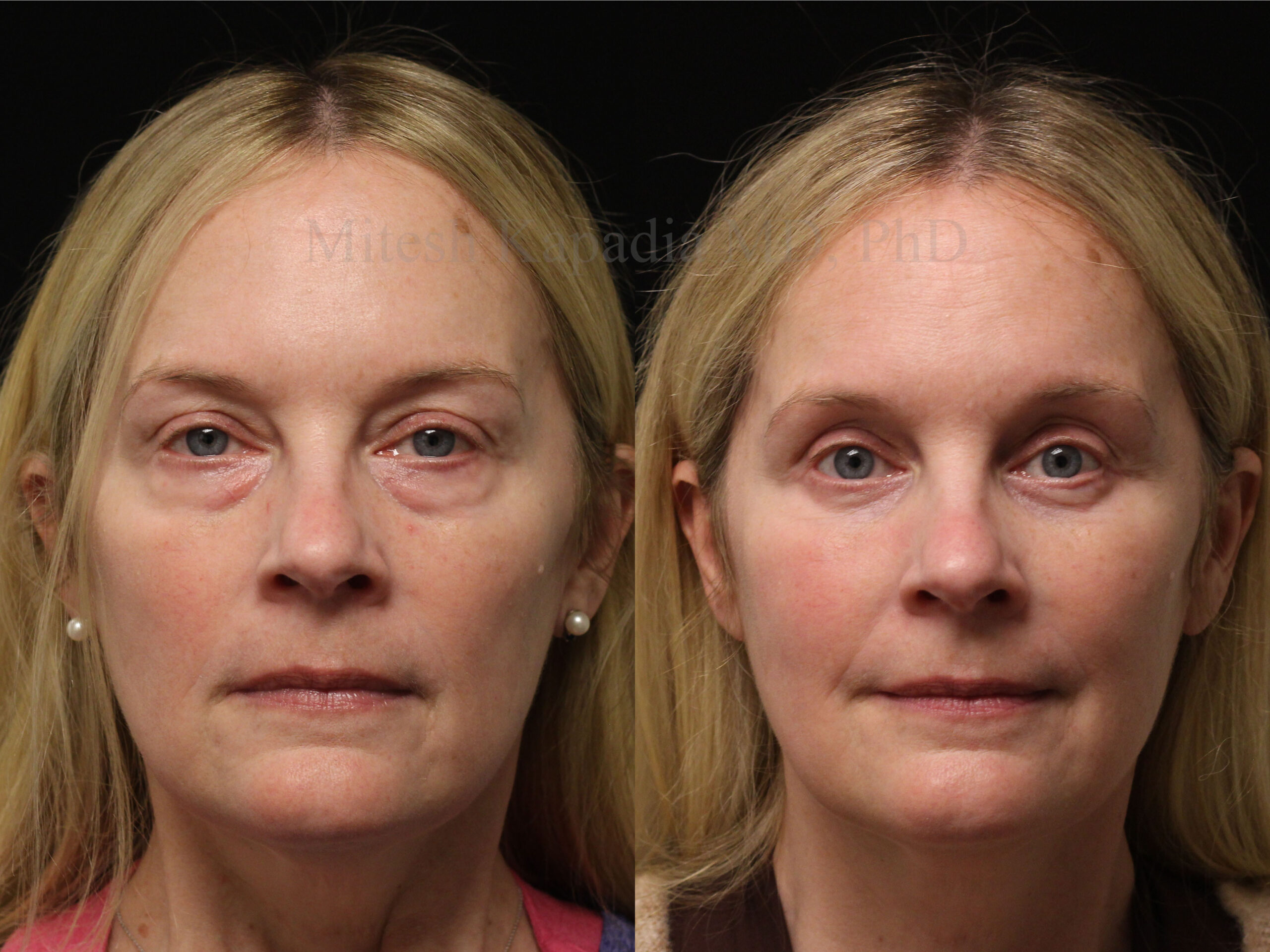
This patient is in her late 40s and is shown before and 6 months after upper blepharoplasty surgery.
Before surgery, she had excess upper eyelid skin creating heaviness over the eyes. This can make patients look tired, even when they feel well rested. In some patients, extra upper eyelid skin can also affect the upper field of vision, especially when the skin rests close to the eyelashes.
After surgery, her upper eyelids look more open and refreshed. The result is natural and not overdone. She still looks like herself, just less tired. The upper eyelid crease is more visible, the eyes appear brighter, and the overall result appears balanced on both sides.
Six months is a good time to evaluate the results of upper eyelid surgery. Most swelling has resolved by this stage, although scars continue to mature and fade over time. In many patients, the incision is hidden in the natural upper eyelid crease when the eyes are open.
The goal of upper blepharoplasty is not to change the way someone looks. The goal is to remove heaviness and restore a more rested appearance. Careful planning is important to avoid removing too much skin or creating an unnatural result.
Before-and-after photos can be helpful for understanding possible outcomes, but they cannot predict your exact result. The best surgical plan depends on your anatomy, goals, and an in-person evaluation.
If you are bothered by heavy upper eyelids or feel that your eyes make you look tired, a consultation can help determine whether upper eyelid surgery is a good option for you.
Schedule a consultation with Boston Eyelid Surgery in Wellesley, MA to learn more.